
During Rigid Flex PCB Assembly
Rigid-Flex PCBs are used for a wide range of industrial and commercial applications including automotive, aerospace, and wearable electronics. Their flexible sections enable them to bend and curve for easy mounting in tight spaces. They are also known for providing superior mechanical reliability compared to traditional rigid boards. However, like any other electronic device they can experience issues if not assembled properly. Solder bridges are one such issue that can lead to poor connections and circuit failure. In order to prevent solder bridges during Rigid flex pcb assembly, it is important to take a few precautions.
The first step is to ensure that your components are placed accurately on the flex substrate according to the circuit diagram. This will minimize electrical shorts and facilitate soldering. Additionally, it is critical to use the correct amount of solder paste and to apply it evenly. Over-depositing solder can cause bridging, while too little may result in weak joints and inadequate connection strength. It is also essential to have the right equipment to avoid overheating or damaging the flex substrate and components. Using a solder flask and solder wick, as well as an adjustable temperature setting on your iron, will help you to control the heat and prevent damage to your flex circuit board.
It is also crucial to pay attention to the manufacturing process and the reflow profile of your rigid-flex pcb. Depending on the fabrication house you choose, they may have specific reflow processes that are designed to reduce solder bridges. Make sure to discuss your requirements with the manufacturer, and ask them for tips on how to avoid solder bridging during assembly.
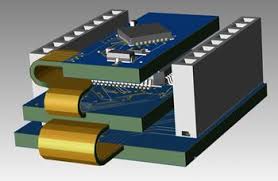
Solder Bridging During Rigid Flex PCB Assembly
Generally speaking, liquid solder tends to flow towards warmer surfaces, so it is important to match the temperature of the flex substrate and component leads during the assembly process. This will ensure that all areas of the joint are properly bonded. Another option is to increase the soak time during the soldering process, which will help to equalize temperatures and prevent bridging.
A common problem with a rigid-flex circuit board is that it can be difficult to solder due to its curved and twisted shapes. This is because the copper traces are not straight, and they can be misaligned with the pad locations. This is a major issue, and it can lead to a solder bridge between adjacent pads. This is often a sign of poor quality workmanship, and it is important to find out the cause before sending it back to the manufacturer for repair.
The most common cause of solder bridges in rigid-flex boards is improper design. This can include insufficient space between traces, excessive pad sizes, or misaligned hole and stencil. To minimize the risk of these problems, it is recommended to follow IPC standards for optimum manufacturability, and work closely with a professional PCB fabricator. They will be able to advise you on the best materials, manufacturing methods, and reflow profiles for your application.