
Inventory Is Managed in Quick Turn PCB Assembly
In the world of electronics development, time-to-market is a key metric in determining product success. As such, rapid prototyping and PCB assembly services have become a vital innovation for electronics engineers working on tight schedules. By reducing production times from several weeks to just a few days, quick turn pcb assembly allow engineers to iterate on their designs and refine prototypes more quickly, speeding up the overall development process.
However, a faster fabrication timeline necessitates stricter quality control measures and more complex assembly techniques to ensure the integrity of the final product. How is inventory managed in this high-speed environment?
One critical factor is the ability to work with multiple suppliers. By building relationships with reliable suppliers and maintaining a list of alternative sources, PCB manufacturers can avoid stockouts and delays in production due to component availability. This also reduces costs by enabling businesses to avoid paying for unnecessary components.
Another essential step is to have a clear and responsive communication system. Choosing a provider with open lines of communication and excellent customer support can help you stay up-to-date on the status of your project, keeping your team on track to meet your timelines. Moreover, a reliable supplier can address any issues or concerns promptly and professionally, ensuring the best possible outcome for your project.
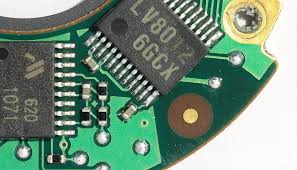
How Inventory Is Managed in Quick Turn PCB Assembly
To minimize downtime, it’s important to find a manufacturer that uses advanced and efficient production technologies. This includes automated machinery, streamlined supply chain management, and precise quality control measures. By implementing these advanced tools, quick-turn manufacturers can achieve higher first-pass yields and reduce production times without sacrificing quality or reliability.
For instance, using a smart factory solution can streamline assembly processes by connecting all aspects of the production line, eliminating inefficiencies and boosting productivity. In addition, intelligent AOI (automated optical inspection) systems can identify and eliminate defects before they cause damage to the final product. Lastly, by incorporating DFM (design for manufacturing) principles into the design process with engineers, companies can improve the reliability of their products while lowering overall assembly costs.
In addition to leveraging technology, quick-turn PCB producers also rely on the experience of their teams. Having a team that has worked in the industry for years will be able to identify and resolve any challenges that may arise during the assembly process.
Moreover, by utilizing a full-service PCB assembly supplier, companies can reduce their overhead costs and redirect their resources to research and marketing strategies. This can help them increase revenue and stay competitive in the global market. Additionally, outsourcing their assembly operations to a trusted and experienced partner will ensure that their products are produced accurately and efficiently without compromising quality. As such, a full-service PCB assembly supplier will handle all the administrative tasks involved in the production process, including supplier vetting and quality assurance. This allows businesses to focus on their core competencies and accelerate their time-to-market.