
rigid flex PCBs improve signal transmission
Using rigid-flex circuits is a great way to improve signal transmission without compromising the overall integrity of the board. These versatile devices are used in a wide variety of electronic products, including consumer, automotive, and military electronics. Rigid flex PCBs offer several benefits that can help improve product performance, reduce costs, and streamline the manufacturing process. They can be fabricated in both static and dynamic applications, depending on the needs of the end application. The combination of rigid and flexible components allows for thinner, lighter, and more durable devices. They also allow for higher density device populations and smaller conductors. This can free up space in a product, decreasing its size and weight, and saving on package costs.
A rigid flex circuit board is comprised of rigid sections and flexible segments. The rigid sections are usually constructed with FR-4 fiberglass and pressure-sensitive adhesives. The flexible segment is typically made of a Polyimide film. The layer stackup must be carefully planned to ensure that the rigid and flex sections meet both electrical and mechanical requirements. This can be achieved by utilizing the right materials for both the rigid and flex sections, as well as determining the proper placement of the flex segments.
The use of rigid flex pcb in the production of consumer electronics, such as tablets and smartphones, has increased in recent years. The technology is also used in the automotive industry to produce sleek and compact electronic systems. It is particularly useful in car infotainment systems and sensors, as it can withstand harsh environments, temperature variations, and chemical exposure.
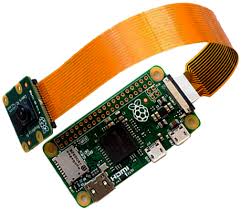
How do rigid flex PCBs improve signal transmission?
Rigid flex PCBs can also be used in medical equipment to connect sensors and monitors to medical machinery. These circuits are highly reliable and can be fabricated with a number of features that improve functionality, including heat dissipation and electromagnetic interference (EMI) protection. The rigid-flex circuits are also easy to assemble and can be mounted to almost any surface.
While the upfront cost of a rigid-flex PCB may be higher than a traditional rigid PCB, the long-term savings can outweigh the initial investment. These PCBs can lower assembly costs by reducing the need for connectors and eliminating the need for hot-bar soldering. They can also reduce product maintenance and repair costs by lowering the risk of mechanical failures.
When designing a rigid-flex PCB, the flex section must be considered to determine the maximum amount of bending it can withstand. The allowed bending radius must be determined by analyzing the stress points in the area. It is also important to make sure that the copper conductors do not fracture during deformation. This can be achieved by making traces thin and using an appropriate width for the layer. Adding an offset between the top and bottom layers will also increase the strength of the traces and prevent them from cracking during deformation.
Rigid flex circuit boards are more complex than rigid pcbs and require special materials and fabrication techniques. They also require specialized testing procedures to verify their durability and reliability. However, if you take the time to understand and incorporate flex-rigid technology into your design process, you can reap the benefits of reduced assembly times, costs, and risks.