
Buying Groceries Or Eating Out: Which Saves Money?
With grocery prices rising lately, sometimes it seems to make more sense to grab a bite at a restaurant or order DoorDash rather than buy groceries and cook at home.
To find out whether this is really true, we spoke with experts — and found there are a number of factors you may not have considered.
A lot has to do with how you use what you buy.
“Let’s be honest: Saying it’s always cheaper to eat out is like saying it’s cheaper to rent a tux every day instead of doing your laundry,” said Rocco Carulli, owner and executive chef at R House in Miami. “In reality it depends on what you order, how you shop and whether you’re actually using your fridge for food and not just beverages and expired condiments. Groceries can save you money — but only if you use what you buy and know how to turn raw ingredients into real meals. Restaurants can be efficient if you’re choosing well, stretching your portions or just accepting that you’re paying for peace of mind and a clean kitchen.”
The current trend points to more people buying groceries than eating out. According to a Revenue Management Solutions survey, “40% of U.S. diners said they’re spending less of their disposable income on restaurants. Instead, many are turning to grocery stores: 1 in 4 consumers reported shopping there more often, with nearly 40% citing better value for money.”
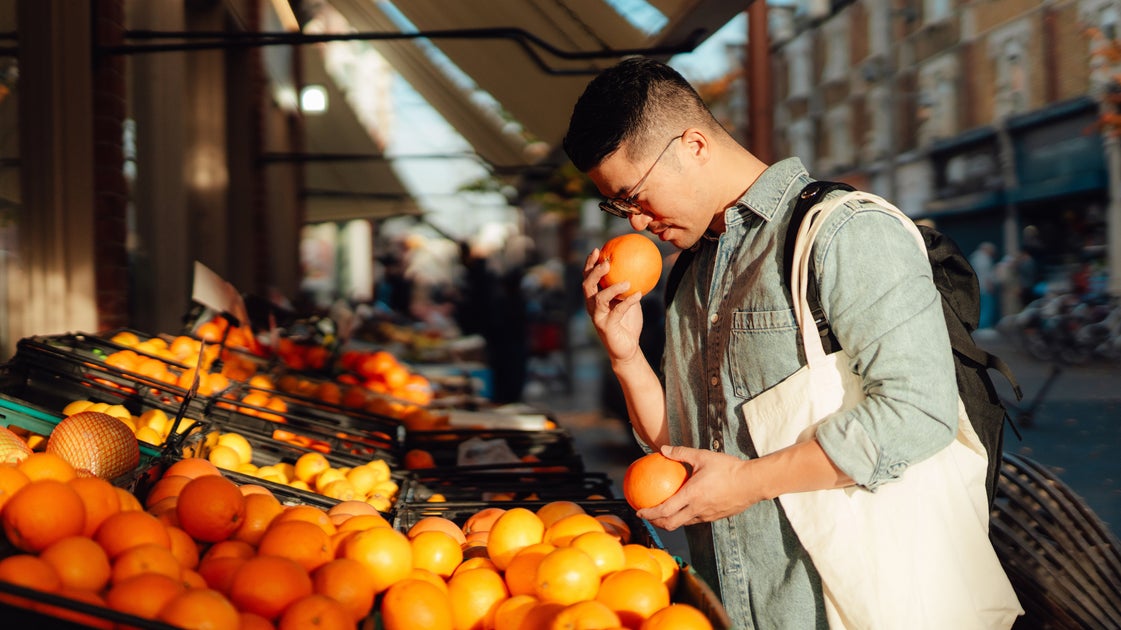
“People who believe it is cheaper to eat at restaurants than at home often live in food deserts,” said Matthew Baron, CEO of Wholesale Nuts and Dried Fruits. “In these areas, it could be cheaper to eat out than to shop for the ingredients that you want. Even Malibu, California, could be considered a food desert after the fires took out half of the houses and businesses. All the citizens left to live there have to drive to the next neighborhood of Santa Monica to find a supermarket to shop at.”
Driving involves wear and tear on your car and money spent on gas. Public transportation and ride shares can be expensive, and grocery delivery isn’t always affordable. “If health is the goal, eat at home,” he said. “If you live in a food desert, then go out to restaurants.”
Oscar Wong via Getty Images
What if you decide to eat out?
Andrea Woroch, a budgeting expert, suggested taking advantage of lunch specials and happy hours, sticking to water instead of soda and alcohol (those are marked up), and splitting entrees.
“Restaurant meals are usually larger than your home-cooked meals and more than you can eat,” she said. “Get in the habit of splitting a large entree with your partner or friend and see if you need more food, or add a small plate before to fill you up for less.”
Marc Mezzacca, founder and savings expert at CouponFollow, said to not order fries, fried seafood or salads, because they don’t make good leftovers.
“But you can stretch a restaurant meal if you play it right,” Carulli said. “Order something substantial — pastas, braised meats, grain bowls — and you’ve got built-in leftovers. That’s two meals for the price of one entrée, and you didn’t have to julienne a single thing.”
If you’re going to cook at home, how can you save money?
“Stick with generics,” Woroch said. “This is a tried and true savings method that still applies and shouldn’t be ignored because it cuts your grocery bill by 30% on average. Compare ingredients side by side between the national name brand and store brand to see how they stack up and give it a go. Many stores will allow for returns if you’re not satisfied, so it’s worth a try.” She said food that’s about to expire will be discounted, too, up to 50%. “Just make sure to cook it right away or freeze it to avoid it going bad,” she said.
Mezzacca recommended shopping at places like Costco and buying pantry staples like lentils and pasta in bulk. “Frozen fruits and vegetables are good as they are affordable, last longer and reduce waste,” Mezzacca said. “Cooking ahead of time and cooking in bulk minimizes spoilage and impulse buying. Sometimes, dining out can have a convenience and economic factor. But with groceries, there is more control over portion size, ingredients and long-term values.”
If you’re single or in a couple or don’t have kids, it might make sense to eat out more. But if you have three kids like Deliciously Rushed food blogger Rose Sioson does, cooking at home is the way to go.
“It’s definitely cheaper for us to buy groceries than eat out,” she said. “The trick is planning. Before I shop, I do a simple meal plan so we only buy what we’ll actually cook and eat. That way, we’re not throwing money or food away. Eating out can be fun, but for a big family, even splitting meals or bringing home leftovers adds up fast.”
She spends 10-15 minutes a week planning meals based on what’s already in stock and then adds what she needs to a grocery list. She shops at Costco and recommends the rotisserie chicken and bulk items like rice. Based on her haul, she’ll plan theme nights like a stir-fry night or a taco night or leftovers night.
And the freezer is your friend. “Use your freezer as your backup plan — freeze leftovers, extra bread, herbs or meats,” she said. “Prep meats ahead of time. I portion and cut them before freezing, so when it’s time to cook, I just thaw them in the fridge and they’re ready to go.”
Food waste is a serious issue and a way to not get enough bang for your buck. “Don’t let half the cart go limp in the veggie drawer,” Carulli said. “Bulk buying helps, but only if you’re not bulk-wasting. And don’t get me started on herbs. You buy one $4 bundle, use three leaves and the rest disintegrates into compost.”
To save money, he recommended shopping at farmers markets, and, like Sioson said, purchasing a rotisserie chicken. “Roast a chicken Sunday, use it in tacos Monday, soup Tuesday and a grain bowl Wednesday,” he said. “That’s one ingredient, four meals, zero waste.”
Maybe spending a lot of money on one restaurant meal instead of groceries that would last for a week isn’t cost-effective. Despite the urge to eat out, people shouldn’t feel guilty about it. Carulli thinks people should allow themselves to eat out once in a while.
“Cook when you’ve got the energy, eat out when you need the ease — or the entertainment,” he said. “If cooking dinner means stress, mess and a meltdown, give yourself permission to tap out. A $20 meal might be cheaper than therapy.”