
Guide to Circuit board assembly services
Circuit card assembly manufacturers often face the challenge of ensuring that their products are suitable for use in high-temperature environments, where extreme heat can pose significant challenges to the reliability and performance of electronic devices. The question of whether circuit card assembly manufacturers are suitable for high-temperature environments depends on various factors, including the materials used, the design of the circuit cards, and the specific requirements of the application.
One of the primary considerations for circuit card assembly manufacturers when designing for high-temperature environments is the selection of materials that can withstand elevated temperatures without degrading or malfunctioning. Traditional materials used in circuit card assembly, such as fiberglass-reinforced epoxy resins (FR-4), have limited tolerance for high temperatures and may experience delamination, warping, or component failure when exposed to excessive heat. However, manufacturers can use specialized materials with higher temperature ratings, such as polyimide or liquid crystal polymer (LCP), to produce circuit cards that are more resilient to thermal stress.
Additionally, manufacturers can employ advanced manufacturing techniques and processes to enhance the thermal performance of circuit cards designed for high-temperature environments. For example, thermal management features such as heat sinks, thermal vias, and metal-core substrates can help dissipate heat more effectively, preventing hot spots and thermal runaway. Furthermore, manufacturers may use high-temperature solder materials with elevated melting points to ensure reliable electrical connections in environments where standard solder alloys may soften or melt.
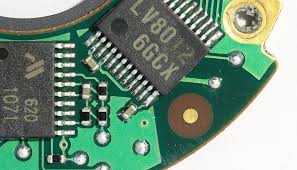
A Beginner’s Guide to Circuit board assembly services
The design of the circuit card itself also plays a crucial role in determining its suitability for high-temperature environments. Circuit cards intended for use in extreme heat may feature increased spacing between components to allow for better airflow and heat dissipation, as well as wider traces and thicker copper layers to handle higher current densities without overheating. Additionally, conformal coatings and encapsulants can be applied to the surface of the circuit card to provide additional protection against moisture, dust, and chemical contaminants, which can exacerbate the effects of high temperatures on electronic components.
Moreover, circuit card assembly manufacturers must consider the specific requirements and operating conditions of the application when designing for high-temperature environments. For example, electronic devices used in automotive, aerospace, and industrial applications may be subjected to extreme temperatures ranging from -40°C to 125°C or higher, requiring circuit cards that can withstand prolonged exposure to heat without degradation. Similarly, devices used in downhole drilling, oil and gas exploration, and semiconductor manufacturing may encounter even higher temperatures exceeding 200°C or more, necessitating specialized materials and design considerations to ensure reliability and performance.
In conclusion, circuit card assembly manufacturers have the capability to produce circuit cards that are suitable for use in high-temperature environments, provided that the appropriate materials, design techniques, and manufacturing processes are employed. By selecting materials with high-temperature ratings, optimizing thermal management features, and tailoring the design to the specific requirements of the application, manufacturers can produce circuit cards that offer reliable performance and durability in extreme heat. However, it is essential for manufacturers to conduct thorough testing and validation to ensure that their products meet the stringent requirements of high-temperature environments and deliver the reliability and performance expected by customers and end-users.