
typical use cases for flexible PCBs
A flex PCB is ideal for applications that require it to bend or fold. It can also be used in situations where the product will be exposed to extreme temperatures or environmental conditions that would damage a rigid circuit board. Flex PCBs can withstand these conditions, and they are often more reliable than traditional circuit boards. However, it is important to understand the pitfalls of using flexible PCBs so that you can minimize the chance of failure.
flexible pcb are used in a wide variety of consumer and industrial devices. Some examples include laptop computers, smart phones, automotive components and medical wearables. These devices must be able to withstand intense vibrations and environmental changes. They must be small, lightweight and able to connect multiple components without compromising the integrity of their design. This is not possible with a rigid circuit board.
The key to successful flex PCB assembly is choosing the correct plating method. For flex circuits, it is best to use panel plating or button plating. This type of plating requires less copper, which helps manufacturers manage copper thickness and increase etch yields for intricate etched patterns. It also allows manufacturers to better control conductor traces for regulated impedance.
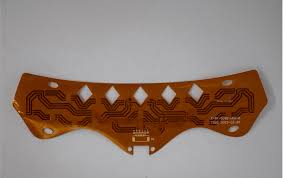
What are the typical use cases for flexible PCBs?
Another important factor to consider is the amount of bending required for your flex PCB. The minimum bend radius for your flex PCB should be determined early in the design process. This will help you avoid stress and damage to the copper. It is also helpful to place conductors in the neutral bend axis, which reduces tension and compression on the traces.
You should also be sure that your flex PCB is free of discontinuities, such as vias, cutouts, and slits. These can cause tearing at corners and are not conducive to soldering. You should also make sure that the flex material is a suitable width, as wide traces are more resistant to bending than thin ones. The change in width should be gradual, rather than sharp, to prevent tearing at corners.
Finally, you should pay attention to the flex PCB’s layer count and copper thickness. The higher the number of layers, the more difficult it is for the board to bend without damaging the copper. Alternatively, you can use stiffeners to add structural strength to a flexible pcb. These are rigid materials laminated to the flex PCB and can be made of either FR-4 or metal.
Flex PCBs are designed to withstand harsh environments, rapid movement, and high pressure. They are a great alternative to traditional circuit boards in industrial or commercial applications where equipment must be able to withstand extreme conditions over long periods of time. They are also perfect for mobile devices that must withstand the elements, such as smartphones.
Flex PCBs are also used in aerospace applications to control electronics in aircraft and spacecraft. They are able to withstand the harsh environment and vibrations of aircraft and satellites, and they can be used in areas where space is limited. The flexibility of flex PCBs also makes them easy to install in compact spaces and confined environments.